
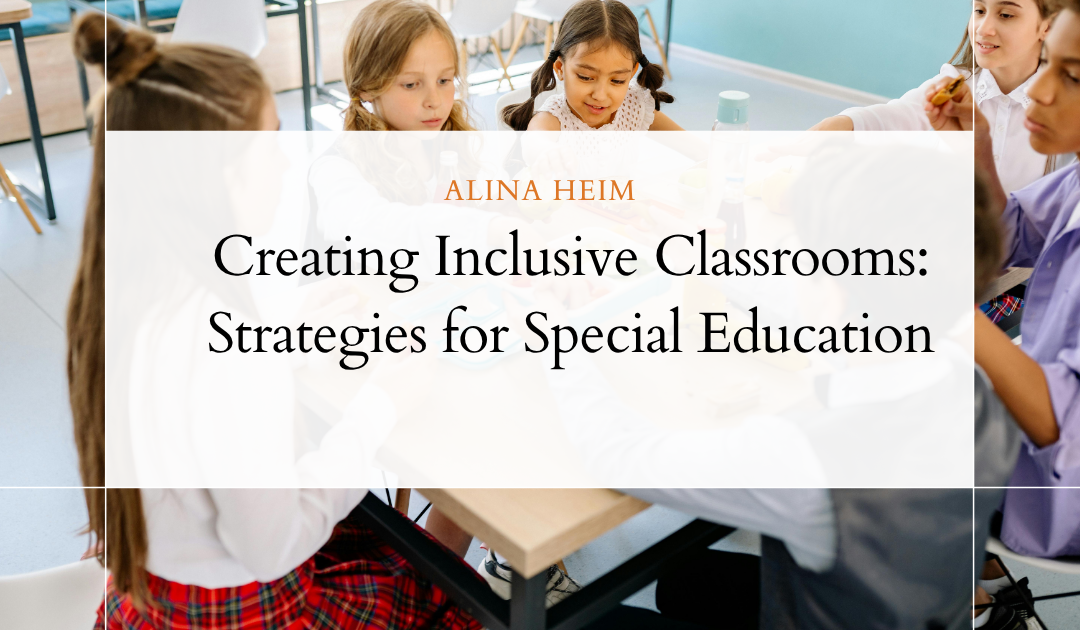
Inclusive education is a philosophy and practice that embraces the belief that all students, regardless of their abilities or disabilities, should learn together in the general education classroom whenever possible. Inclusive classrooms promote equity, social interaction, and academic growth for students with and without disabilities. This blog explores effective strategies to foster inclusion and support diverse learners.
What is Inclusive Education?
Inclusive education means providing access to meaningful learning experiences alongside peers without disabilities, with necessary supports and accommodations to ensure success.
Benefits of Inclusion
- Social Development: Encourages friendships, reduces stigma, and promotes empathy.
- Academic Growth: Exposure to grade-level curriculum and varied teaching styles.
- Preparation for Life: Reflects real-world diversity and community involvement.
- Positive School Climate: Cultivates respect and understanding among all students.
Key Strategies for Inclusive Classrooms
1. Universal Design for Learning (UDL)
- Designing lessons with multiple means of representation, expression, and engagement to meet varied needs.
- Examples include offering text, audio, and visual materials; allowing different ways to demonstrate learning.
2. Differentiated Instruction
- Tailoring content, process, and products based on student readiness, interests, and learning profiles.
- Flexible grouping and personalized supports help address individual needs.
3. Collaborative Teaching Models
- Co-teaching with special educators and general educators to provide simultaneous support.
- Models include team teaching, station teaching, and parallel teaching.
4. Positive Behavior Supports
- Implementing proactive strategies to promote appropriate behavior and reduce disruptions.
- Clear expectations, consistent routines, and reinforcement systems benefit all learners.
5. Assistive Technology and Accommodations
- Use of tools like speech-to-text, graphic organizers, or extra time to ensure accessibility.
- Accommodations might include preferential seating or modified assignments.
Overcoming Challenges
- Teacher Training: Ensuring educators are prepared with inclusive pedagogy and behavior management skills.
- Resource Allocation: Providing adequate support personnel and materials.
- Attitude and Culture: Addressing biases and promoting a growth mindset among staff and students.
- Communication: Building strong partnerships with families and specialists.
Conclusion
Inclusive education is essential for fostering equitable opportunities and respect for all students. By implementing research-based strategies and cultivating a collaborative, supportive environment, schools can successfully meet diverse learner needs and prepare students for meaningful participation in society.