by alinaheim | Apr 27, 2026 | Alina Heim, Behavioral Health
Disproportionality refers to the overrepresentation or underrepresentation of certain racial, ethnic, or cultural groups in special education programs compared to their overall population in schools. This phenomenon raises concerns about fairness, equity, and the...
by alinaheim | Apr 17, 2026 | Alina Heim, Behavioral Health
Equity in education means ensuring that all students receive the resources, supports, and opportunities they need to succeed, regardless of their background or circumstances. In special education, equity involves recognizing and addressing disparities that affect...
by alinaheim | Apr 8, 2026 | Alina Heim, Behavioral Health
Inclusive education is a philosophy and practice that embraces the belief that all students, regardless of their abilities or disabilities, should learn together in the general education classroom whenever possible. Inclusive classrooms promote equity, social...
by alinaheim | Mar 27, 2026 | Alina Heim, Behavioral Health
Digital technology has become an invaluable asset in special education, offering a wide array of tools that support instruction, assessment, and communication for students with disabilities. These tools help educators personalize learning, increase engagement, and...
by alinaheim | Mar 19, 2026 | Alina Heim, Behavioral Health
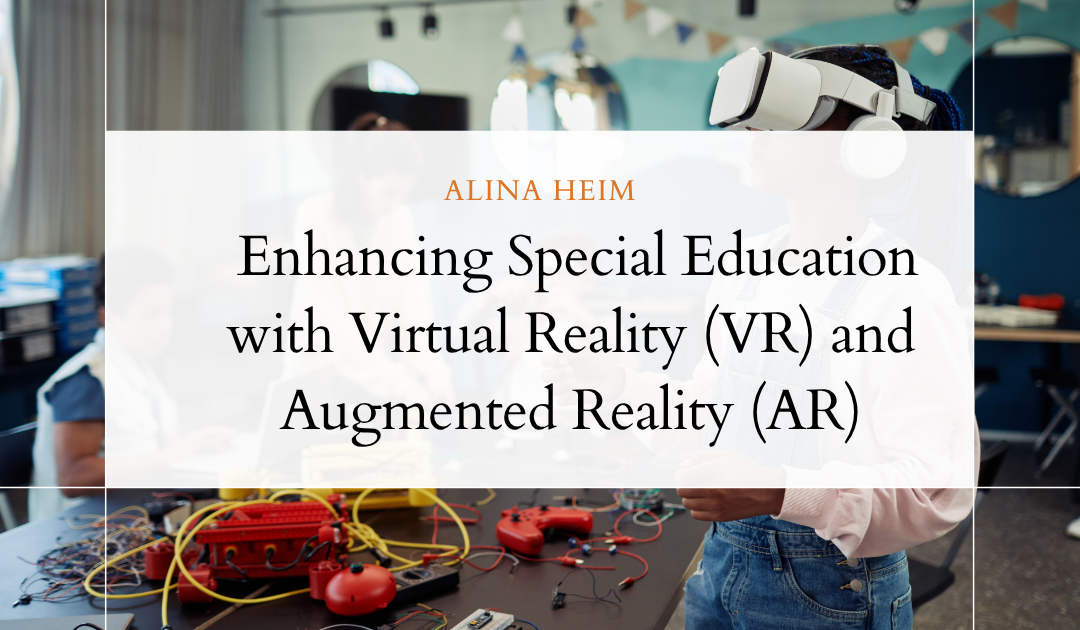
Virtual Reality (VR) and Augmented Reality (AR) are emerging technologies that hold exciting potential for transforming special education. These immersive tools can create engaging, customizable learning environments that help students with disabilities develop...
by alinaheim | Mar 10, 2026 | Alina Heim, Behavioral Health
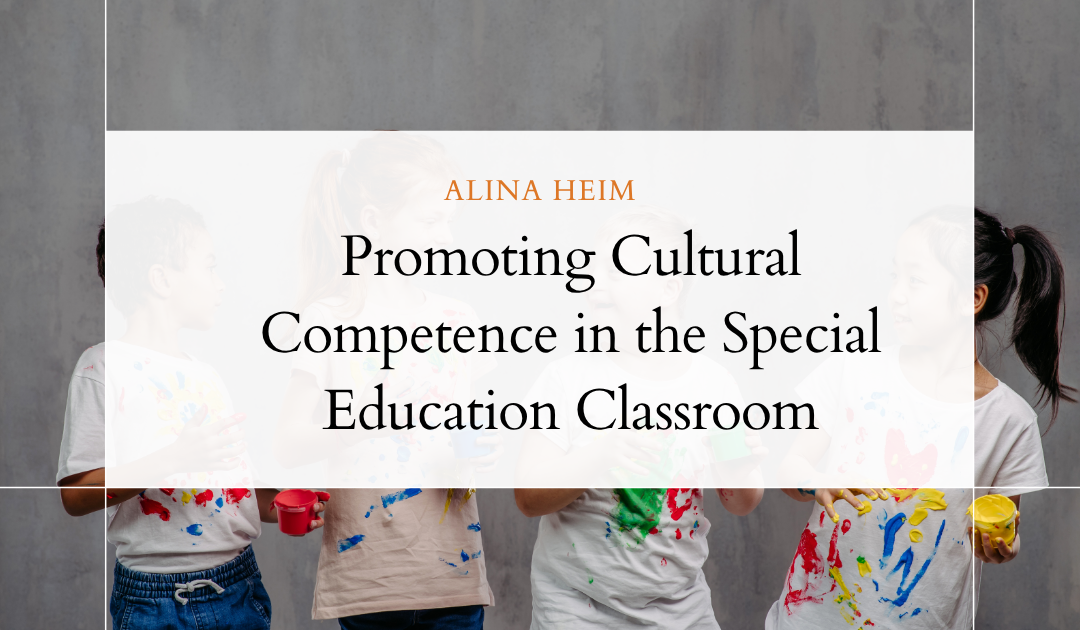
Cultural competence is essential in today’s diverse classrooms, especially in special education settings where students’ cultural backgrounds intersect with unique learning needs. Educators must recognize and respect these differences to foster an inclusive and...