
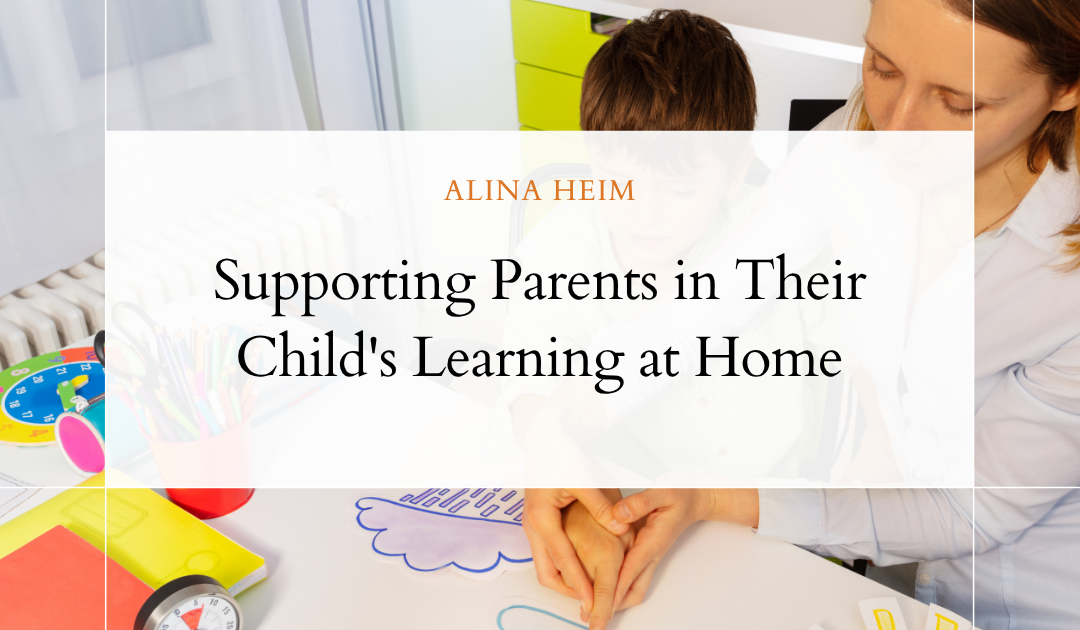
Parents play a crucial role in their child’s educational journey, and their involvement at home can significantly enhance academic outcomes and personal development. While schools provide structured instruction, learning doesn’t stop at the classroom door. This blog outlines practical ways parents can support learning at home, especially for children with diverse needs.
Understanding the Parent’s Role
Parental support is not about replicating the classroom experience at home. Instead, it focuses on creating a supportive environment, encouraging curiosity, and reinforcing what is learned at school. Effective involvement includes communication with educators, understanding a child’s strengths and challenges, and nurturing a love for learning.
Creating a Learning-Friendly Home Environment
- Designate a Study Space: Create a quiet, well-lit area that is free of distractions.
- Establish Routines: Set consistent schedules for homework, reading, and breaks.
- Use Visual Aids: Calendars, checklists, and timers can help children stay organized and on task.
- Limit Screen Time: Monitor and balance time spent on recreational and educational technology.
Supporting Academic Skills at Home
- Reading Together: Regular reading improves literacy and comprehension skills.
- Practicing Math Skills: Use games, cooking, or shopping to reinforce math concepts.
- Encouraging Writing: Provide journals, writing prompts, or letter-writing activities.
- Using Educational Apps: Select tools that align with school goals and are engaging for your child.
Collaborating with Educators
- Stay Informed: Read school newsletters and attend meetings and conferences.
- Ask Questions: Communicate with teachers about goals, progress, and strategies.
- Share Insights: Provide teachers with information about how your child learns best.
- Use IEP or 504 Plans: Understand your child’s educational rights and participate actively in planning meetings.
Encouraging Social-Emotional Learning (SEL)
- Model Positive Behavior: Show empathy, patience, and problem-solving.
- Discuss Emotions: Help children name and manage their feelings.
- Build Resilience: Praise effort and perseverance rather than just results.
- Create Opportunities for Socialization: Encourage peer interaction through virtual or in-person playdates and extracurriculars.
Supporting Children with Disabilities
- Use Assistive Technology: Tools like text-to-speech, timers, or fidget aids can be helpful.
- Break Tasks into Steps: Make large assignments more manageable.
- Practice Functional Skills: Daily routines like cooking or cleaning can teach important life skills.
- Celebrate Successes: Recognize both small and big achievements.
Empowering Parents Through Resources
- Parent Training Programs: Many schools or community centers offer workshops on academic and behavioral strategies.
- Online Communities: Support groups provide encouragement and ideas.
- Educational Websites and Libraries: Offer a wealth of activities and lesson ideas.
- School Support Staff: Engage with counselors, special educators, and interventionists.
Final Thoughts
When parents feel empowered, children thrive. By fostering a collaborative relationship with educators and engaging meaningfully at home, parents can become confident advocates and effective partners in their child’s learning. Supporting learning at home doesn’t require perfection—it requires presence, patience, and a commitment to helping children succeed in their own unique ways.