
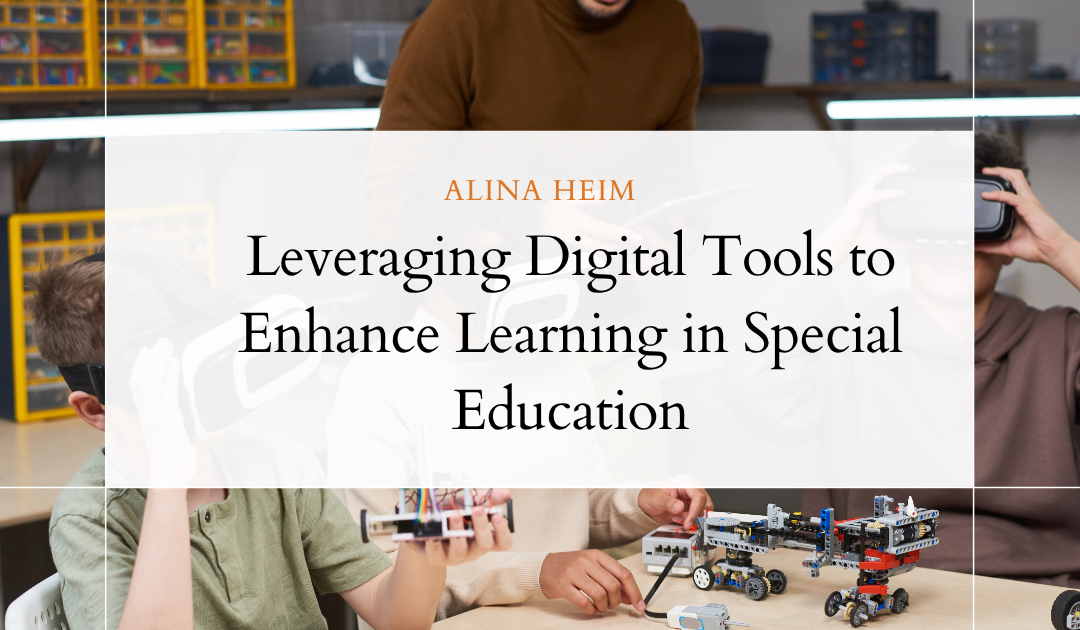
Digital technology has become an invaluable asset in special education, offering a wide array of tools that support instruction, assessment, and communication for students with disabilities. These tools help educators personalize learning, increase engagement, and streamline data collection, creating more effective and inclusive classrooms. This blog explores key digital resources, their benefits, and considerations for successful implementation.
Types of Digital Tools for Special Education
1. Learning Management Systems (LMS)
- Platforms like Google Classroom and Canvas allow teachers to organize materials, assignments, and communication in one accessible place.
- Enable customized learning paths and easy access for students and families.
2. Assistive Technology
- Speech-to-text and text-to-speech software support students with reading and writing challenges.
- Screen readers and magnification tools assist students with visual impairments.
- Communication devices and apps facilitate interaction for nonverbal students.
3. Data Collection and Assessment Software
- Apps such as ClassDojo, BehaviorSnap, and ABC Data provide real-time behavior tracking and data analysis.
- Allow educators to make data-driven decisions about instruction and interventions.
4. Interactive Learning Apps
- Educational apps can target specific skills like phonics, math, social skills, and executive functioning.
- Many are designed with gamification elements to boost motivation.
Benefits of Digital Tools
- Personalization: Tools can be tailored to individual student strengths, preferences, and needs.
- Engagement: Interactive and multimedia content increases student interest.
- Efficiency: Simplifies documentation, progress monitoring, and communication with families.
- Accessibility: Many digital tools incorporate universal design principles, benefiting a broad range of learners.
Considerations for Successful Use
- Training: Educators require training to use tools effectively and integrate them into instruction.
- Compatibility: Tools should be compatible with existing hardware and software.
- Privacy: Ensure compliance with laws protecting student data, such as FERPA.
- Equity: Address disparities in access to technology at home and school.
Future Trends
- Increased use of AI to personalize learning and support decision-making.
- Growth in cloud-based platforms for collaboration and resource sharing.
- Expansion of virtual and augmented reality tools as their cost decreases.
Conclusion
Digital tools offer powerful ways to enhance special education by supporting differentiated instruction, improving communication, and enabling data-driven practices. When thoughtfully selected and implemented, these technologies can help educators meet diverse learner needs and foster greater student success. Ongoing professional development and equitable access remain critical to maximizing their potential.