
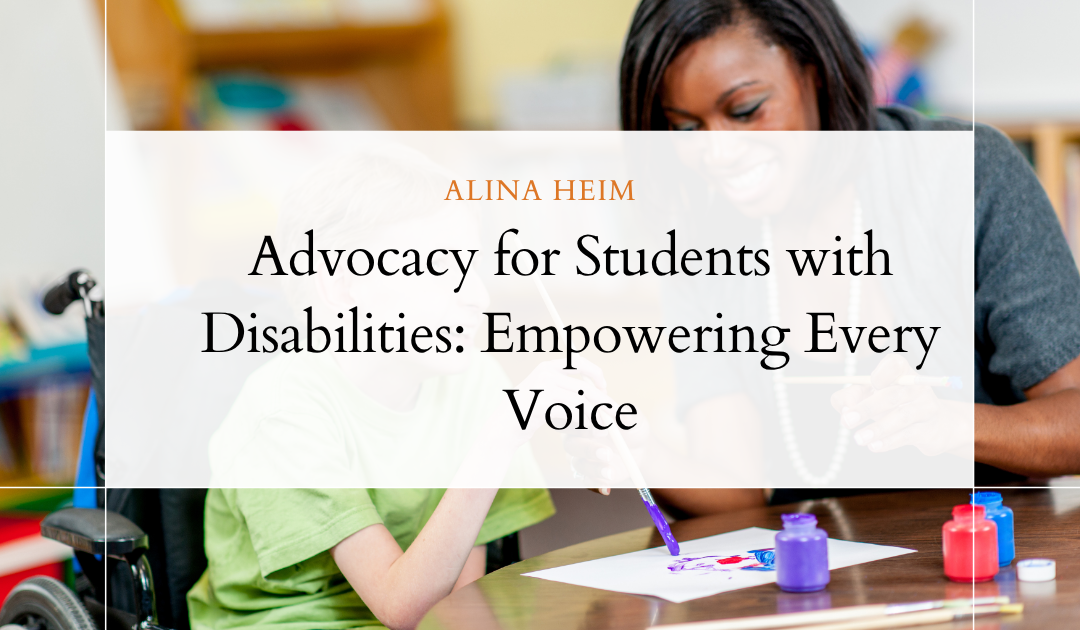
Advocacy plays a vital role in ensuring that students with disabilities receive the support, services, and equitable education they deserve. Whether it’s championing for an Individualized Education Program (IEP), addressing systemic inequities, or simply ensuring a child’s voice is heard, advocacy is a powerful tool for driving change. This blog explores the importance of student advocacy and how educators, families, and communities can take action to support it.
Why Advocacy Matters
Students with disabilities often face barriers in accessing quality education, resources, and inclusion. Advocacy helps to:
- Ensure Legal Rights Are Protected: Federal laws such as IDEA, Section 504, and the ADA provide critical protections.
- Promote Inclusive Practices: Advocacy pushes schools toward more inclusive environments where all learners can thrive.
- Empower Students and Families: Teaching families and students how to advocate for themselves fosters independence and self-confidence.
Forms of Advocacy
- Individual Advocacy
- Focuses on a single student’s needs.
- Involves actions like securing accommodations, ensuring IEP compliance, or resolving disputes.
- Systemic Advocacy
- Aims to reform educational systems and policies.
- Involves efforts like lobbying for funding, changing disciplinary practices, or promoting equitable curriculum access.
- Self-Advocacy
- Encourages students to express their own needs and participate in decisions about their education.
- Builds essential life skills and fosters autonomy.
Key Stakeholders in Advocacy
- Parents and Guardians: Often the first and most persistent advocates for their children.
- Teachers and Special Educators: Support advocacy through documentation, collaboration, and understanding student rights.
- School Administrators: Play a critical role in policy enforcement and resource allocation.
- Community and Legal Advocates: Provide specialized support when families encounter challenges.
Strategies to Support Advocacy
1. Educate Families on Rights and Resources
- Offer workshops or materials on IEPs, Section 504, and IDEA.
- Connect families to advocacy organizations and legal support networks.
2. Foster a Collaborative IEP Process
- Ensure that parents feel valued and heard.
- Include students in IEP meetings when appropriate to build self-advocacy.
3. Build a Culture of Transparency and Trust
- Maintain open communication between school staff and families.
- Document concerns and ensure mutual understanding in all meetings.
4. Encourage Student Voice
- Create opportunities for students to reflect on their goals and needs.
- Support students in presenting at their own IEP meetings.
5. Engage in Policy Advocacy
- Join school boards or parent advisory councils.
- Advocate for equitable funding, inclusive programming, and disciplinary reform.
Overcoming Barriers to Advocacy
- Language and Cultural Differences: Provide translation and culturally responsive materials.
- Knowledge Gaps: Offer plain-language resources and avoid educational jargon.
- System Resistance: Encourage persistence and offer support through formal complaint or mediation processes when necessary.
Conclusion
Advocacy is a collective responsibility—one that empowers students with disabilities to reach their full potential. By working together, educators, families, and communities can uphold the rights of students, break down barriers, and create inclusive learning environments. Whether through small daily actions or large policy initiatives, every step in advocacy contributes to a more just and supportive educational system for all.